
This is a sector where the personal presentation, O professionalism and the empathy have a significant weight, along with experience and technical skills. But how do you select the right attire to make the best impression without compromising your personal identity? This article will explore the best attire options to ensure the candidate presents confidently and is well-prepared for the interview.
The importance of first impressions
In the tourism industry, where customer contact is constant, first impressions are incredibly important. Imagine a candidate for a receptionist position at a luxury hotel: upon entering the interview room, they present themselves with a well-tailored suit, impeccable shoes, and a confident posture. At first glance, the interviewer notices professionalism, attention to detail, and alignment with the company's identity. This immediate impact can be decisive for the continuation of the recruitment process, as it conveys the message that the candidate understands the importance of presenting themselves in the sector and adapts to the expected level of demand. The way a candidate presents themselves reflects their attention to detail., professionalism, and suitability for the position. It's not just about choosing an elegant outfit, but also about conveying the right message to the recruiter. Appropriate attire can demonstrate that the candidate understands the company culture and the type of service provided, giving them an advantage over other candidates.
If the interview takes place in a luxury hotel, for example, more classic and sophisticated attire would be appropriate. If, on the other hand, the position is in a youth hostel, a more casual style might be preferred, but always maintaining a level of professionalism. Before the interview, it is essential conduct research on the company to understand the environment and adjust the visuals accordingly.
How to choose the right clothes?
Choosing clothing for an interview in the tourism sector must balance professionalism and comfortThis is a dynamic field, where it's essential to demonstrate accessibility and friendliness, without sacrificing sophistication. To ensure the option you choose is the most appropriate, there are several aspects to consider.
The type of company and position
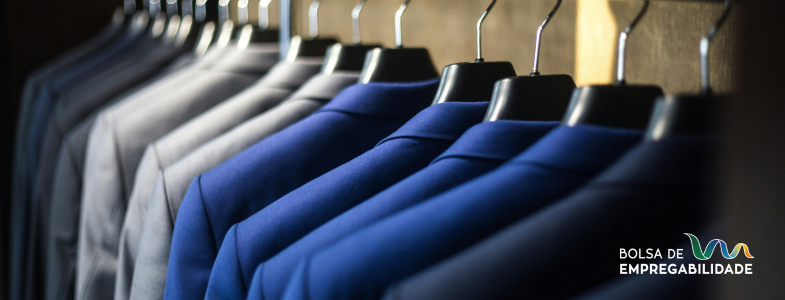
The first step consists of understand the company context and the nature of the position in question. For a receptionist position in a five-star hotel, the attire should reflect a refined atmosphere. Therefore, a well-structured suit in neutral tones such as navy blue, gray, or black, paired with a classic shirt and understated dress shoes, would be the most appropriate choice.
If the interview is with a travel agency, where the dress code may be slightly more informal, a well-fitting blazer paired with chinos and formal yet comfortable shoes will be a balanced option. For operational positions, such as tour guides or tour operators, a more functional look may be appropriate without compromising professionalism.
Choosing colors and accessories
The choice of colors plays a fundamental role in image perception of the candidate. Studies of color psychology indicate that neutral tones, such as blue, gray and beige, convey professionalism and confidence, while vibrant colors can evoke creativity or dynamism, depending on the context. In an interview environment, opt for colors that are associated with credibility and sophistication can influence the recruiter's perception, creating a more favorable impression and reinforcing the image of a professional prepared for the tourism sector. Neutral tones, such as blue, gray, beige, and white, are safe options, as they convey professionalism and elegance. Small pops of color can be introduced through accessories, as long as they are discreet. avoid using patterns excessively striking or colors that are too vibrant, which could divert attention from what is essential.
You accessories must be minimalist and sophisticatedFor women, small earrings, a classic watch, and a structured bag are suitable choices. For men, an elegant watch and a good-quality belt subtly complement the look. The golden rule is to keep it simple.
What to avoid?
To ensure a positive impression, there are certain common mistakes to avoid when choosing what to wear for a tourism interview.
- Overly informal clothing: Even if the company has a more laid-back culture, it's not recommended to wear ripped jeans, printed t-shirts, or overly sporty sneakers. An overly casual look can compromise the candidate's perceived professionalism.
- Excessive perfume or makeup: Balance is key. Overly intense perfumes can be uncomfortable for the interviewer, and excessive makeup can look unnatural. The safest option is to maintain moderation.
- Clothes that are too tight or too loose: Clothing should be comfortable and well-fitting. Overly tight clothing may be inappropriate, while loose clothing may convey a sloppy appearance.
- Inappropriate footwear: Shoes should be clean and in good condition. Sandals that are too informal, flip-flops, or worn-out shoes should be avoided.
Comfort and confidence
Regardless of the choice of clothing, the most important thing is that the candidate feels comfortable and confident. A well-chosen outfit can help improve posture, body language, and, consequently, interview performance. If you're concerned about discomfort caused by inappropriate footwear or an ill-fitting garment, your attention may be diverted from what really matters: demonstrating skills and experience.
Before the interview, it is advisable try on the complete outfit and check that everything is impeccable. Ensure that the garments are well ironed, that the shoes are in good condition, and that the entire outfit conveys professionalism and attention to detail. Small precautions can make a difference in the way the candidate is perceived by the recruiter.
Adapt to the season
Another factor to take into account is the season of the year in which the interview takes place. During the summer months, when temperatures are high, it is essential to opt for lightweight, breathable fabrics, such as linen or cotton, which ensure comfort without compromising formality. For men, a well-structured short-sleeved shirt paired with classic, crisp trousers can be an excellent choice. Women can opt for midi dresses or blouses in flowing fabrics, paired with closed-toe shoes or elegant sandals.
In winter, on the other hand, the priority must be maintain a sophisticated yet comfortable look for cooler temperatures. A coat and layered pieces allow you to adjust your outfit to the temperature without losing professionalism. For men, a blazer or a classic-cut jacket over a slim polo shirt are suitable options. Women can opt for structured blazers, warm-weave pants, and accessories like understated scarves for a stylish touch.
Regardless of the season, the balance between comfort and professional presentation should always be the goalChoosing materials and cuts that allow for mobility and confidence will help the candidate focus on the interview without distractions caused by clothing that is inappropriate for the weather conditions.
Conclusion
The choice of clothing suitable for an interview in the tourism sector is a fundamental step to make a good impression and demonstrate professionalism. The key is to adapt your look to the type of company and position, opting for pieces that convey confidence, organization, and friendliness. Neutral colors, well-tailored cuts, and understated accessories are always safe bets. Ultimately, the best choice will be the one that allows the candidate to feel confident and prepared to face any challenge. Therefore, careful preparation, combined with an appropriate presentation, can be crucial to landing an opportunity in the tourism sector.